
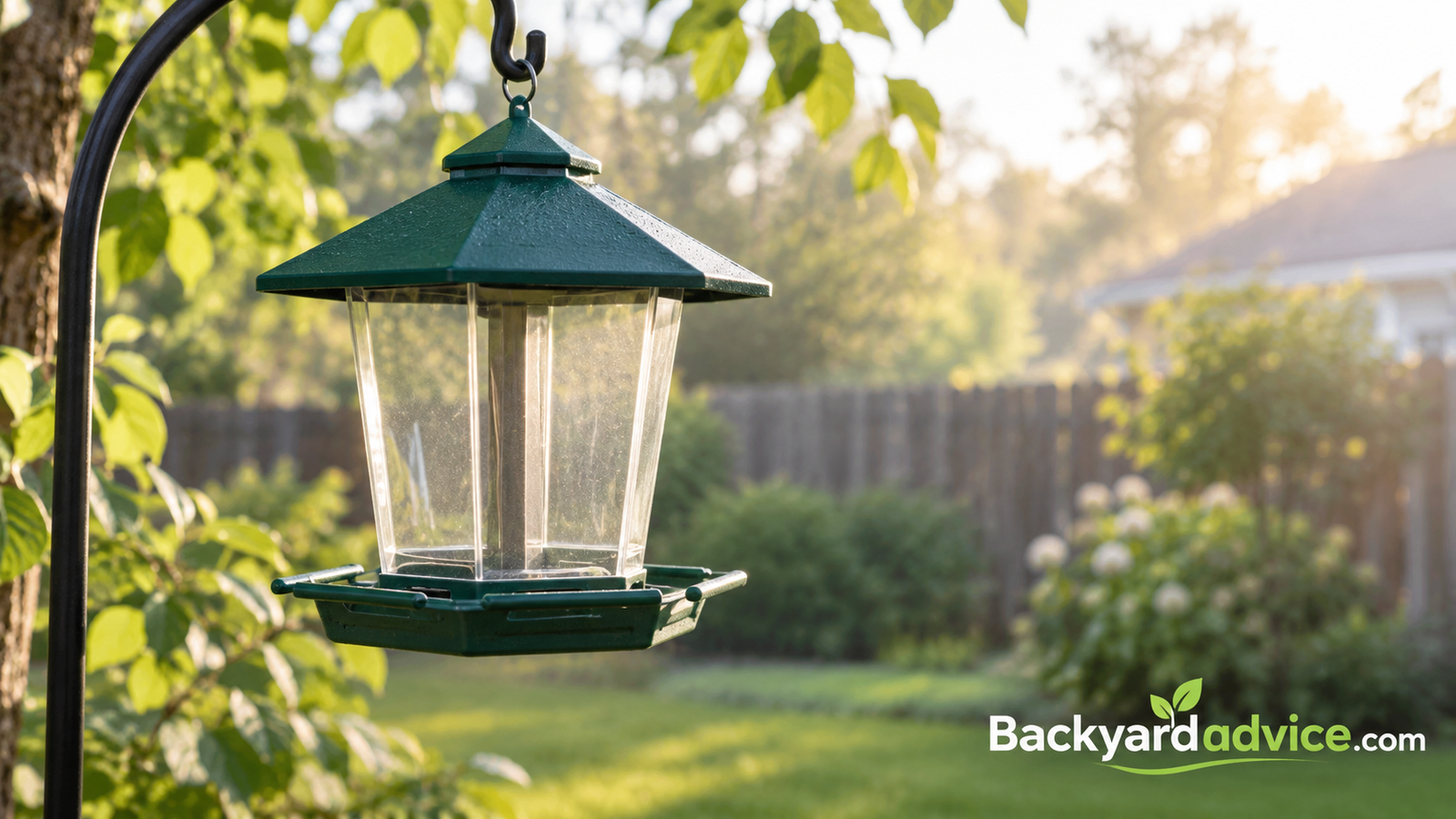
Why Birds Leave Backyard Feeders (and How to Bring Them Back)
You filled the feeder, hung it up, and for a few glorious weeks your yard was a busy little airport. Then one morning it was silent. Here is what is really going on, and exactly what to change.
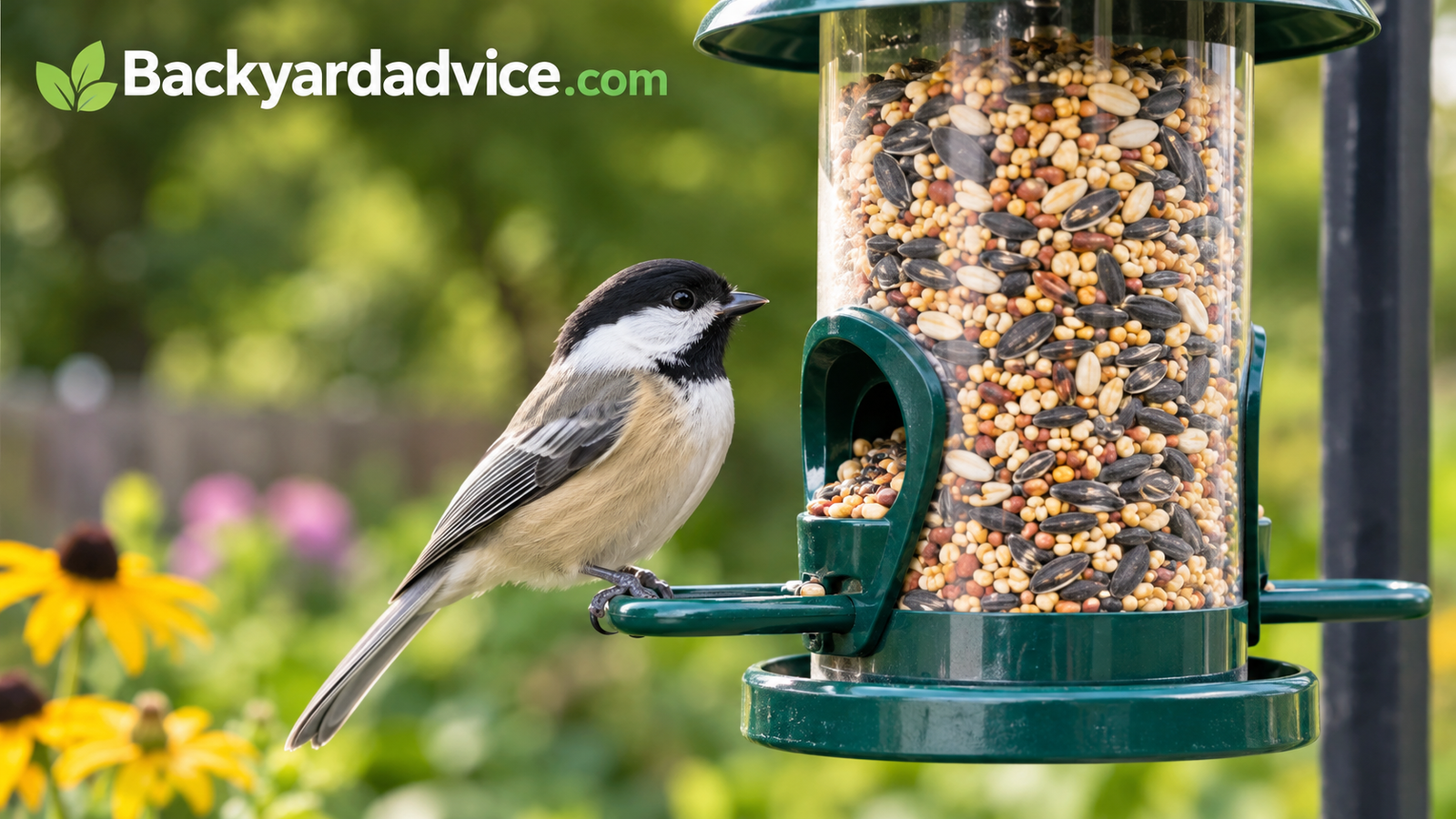
1. The Quiet Feeder Problem: Why Your Birds Suddenly Disappeared
Almost every backyard birder has lived through it. The feeder was a hit, then it was a ghost town. You start wondering whether the birds got sick, moved away, or simply decided your yard was not good enough. The truth is usually less dramatic and far more fixable.
Birds are not loyal customers the way people are. They are wild animals making constant, rapid calculations about risk and reward. Every visit costs energy and exposes them to hawks, cats, and weather. If a feeder stops paying off, whether because the food tastes off, the perch feels dangerous, or a bully dominates the space, they simply cross it off the route and go somewhere better. The good news is that they will also happily cross it back on.
In most cases, when birds leave a feeder, one or more of these things has changed: the food, the cleanliness, the safety of the setup, the competition, or the season. Often it is a combination. A feeder with slightly old seed and a new neighborhood cat and a nearby hawk sighting will empty out fast, even though no single problem looks serious on its own.
It also helps to know what a normal pattern looks like, because many people panic over behavior that is perfectly ordinary. Feeder traffic naturally rises and falls through the day, peaking in the early morning and again in late afternoon. It dips in the heat of midday, during rain, and whenever natural food is abundant. A lull is not always a problem. A lull that lasts more than a week or two, during a season when birds should be active, deserves a closer look.
This guide walks through every common cause, from spoiled seed to seasonal migration, and ends with a practical plan you can start on today. If you are still building your bird-friendly yard from scratch, our guide on how to attract birds to your backyard is a great companion read.
Start with a fresh, reliable setup. Browse popular bird feeders and bird seed on Amazon.
Shop Bird Feeders2. How Birds Actually Find and Judge Feeders
To fix a feeder problem, it helps to understand the decision process on the other side of the glass. Birds do not read the label on your seed bag. They run a fast mental checklist, and your feeder either passes or it does not.
Discovery: how a feeder gets noticed
Birds find feeders mostly by sight and by following other birds. Flocking species such as chickadees, titmice, and finches act as scouts, and when one finds a reliable food source, others notice and follow. This is why a new feeder can take days or even weeks to get its first visitor, and then suddenly become busy. It is also why losing a few key regulars can quietly end the party.
Evaluation: the split-second risk check
Before landing, a bird evaluates safety. Is there cover nearby? Is the approach open to a hawk? Is anything moving that should not be? Then it evaluates the reward: does the food smell and look fresh, is it a species it likes, and is it easy to access without a fight? Studies of foraging behavior consistently show that wild birds will trade away easy food for safety. A rich meal is worthless if it comes with a high chance of becoming one.
Memory: why they keep or drop a feeder
Many backyard birds, especially resident species, memorize a circuit of food sources. A feeder that has consistently paid off gets visited on a schedule. A single bad experience, like a close call with a predator or a mouthful of moldy seed, can knock a feeder off that circuit for a long time.
| What the Bird Asks | What It Notices | Result if the Answer Is “No” |
|---|---|---|
| Is it safe? | Cover, open sightlines, predators, sudden movement | Visits shift to shy, quick grabs, then stop |
| Is the food good? | Freshness, smell, type, texture | Birds sample once and leave |
| Is it clean? | Droppings, mold, wet clumps, slime | Sensitive species avoid it entirely |
| Can I get a turn? | Bullies, crowding, squirrels | Smaller or shy birds go elsewhere |
| Is it worth the trip? | Natural food, other feeders, season | Traffic drops even if everything is fine |
Keep this checklist in mind as you read on. Almost every cause below maps to one of those five questions.
Give birds a clear, easy-access meal. See top-rated bird seed mixes.
Shop Bird Seed3. Stale, Moldy, or Wet Seed: The Number One Silent Killer
If you only check one thing, check the seed. Birds have a better sense of food quality than most people give them credit for, and while they are not picky in the way a house cat is, they will absolutely avoid seed that has gone bad. Old seed loses fats and oils, develops a dusty or sour smell, and can grow mold that is genuinely dangerous to them.
How seed goes bad
Moisture is the main culprit. Rain blowing into a tube feeder, morning dew on an open tray, or humid storage in a garage can all create damp seed that clumps and grows mold within days. Heat is the second culprit. Sunflower seed and especially suet and peanuts can turn rancid in warm weather, giving off a smell birds avoid and a flavor they dislike.
Pests are the third. Pantry moths and weevils can infest a bag in storage, leaving webbing and tiny larvae that make the seed unappealing and sometimes unusable. If your bag has silky threads or a cluster of seeds stuck together, throw it out.
How to check your seed quickly
- Smell it. Fresh seed has a clean, nutty or grassy scent. Sour, musty, or oily-rancid smells mean toss it.
- Look for clumps. Seeds stuck together in a wet mass at the bottom of a feeder are a mold risk.
- Check the hulls. Lots of empty hulls and dust with few intact seeds means the feeder is full of leftovers, not food.
- Inspect the bag. Webbing, tiny beetles, or moths mean infestation.
The right way to store and refill
Store seed in a sealed metal or heavy plastic container in a cool, dry place. Buy smaller quantities more often if your feeders do not empty quickly. In humid or rainy climates, fill feeders only partway so the seed turns over within a few days rather than sitting for weeks. Never top off an old feeder on top of old seed; empty it out, clean it, and start fresh.
Buying Smaller Bags
- Seed stays fresher
- Less storage space needed
- Lower risk of moths and mold
Buying in Bulk
- Cheaper per pound on paper
- Often wasted if stored badly
- Needs a sealed, cool container
Keep seed fresh and pest-free with an airtight storage bin.
Shop Seed Storage4. Dirty Feeders and Disease Risk: When Birds Know Better
A feeder is a gathering point, and anywhere many animals gather, germs spread. Dirty feeders are one of the biggest reasons experienced birds stop visiting, and one of the most serious reasons you should care, because contaminated feeders can sicken the very birds you are trying to help.
What builds up on a feeder
Droppings, saliva, moldy seed, and wet debris coat perches and ports over time. Finches and other species that feed with their beaks close to the feeder surface are particularly exposed. Common bird illnesses, including the bacterial infections that cause eye swelling and the fungal growth that damages the respiratory tract, are spread easily where feeders are not cleaned.
Birds do not always avoid dirty feeders, sadly. But healthy flocks that have learned a feeder is risky, or that watched a sick visitor, often shift to cleaner places. Meanwhile sick birds may keep coming. Either way, a dirty feeder ends up with fewer healthy visitors.
A simple cleaning routine
- Empty the feeder completely and discard all old seed.
- Scrub every surface with hot water and a stiff brush, paying attention to ports, perches, and seams.
- Soak for a few minutes in a diluted solution of one part unscented household bleach to nine parts water.
- Rinse thoroughly with clean water until no smell remains.
- Let it dry completely before refilling. Damp feeders breed mold.
Aim to clean seed feeders at least every two weeks, and more often in wet or hot weather. Hummingbird nectar feeders need cleaning every few days because sugar water ferments quickly. Suet feeders should be wiped and refreshed regularly, and removed in very hot weather.
If you see a sick bird
Birds that look fluffed up, lethargic, or have crusty, swollen eyes may be ill. The standard advice from wildlife health experts is to take down all feeders for at least a couple of weeks, clean everything thoroughly, and let birds disperse. It is a small inconvenience that can protect a whole neighborhood of birds. The birds will find natural food in the meantime and will return when you put the clean feeder back.
| Feeder Type | Cleaning Frequency | Biggest Risk |
|---|---|---|
| Tube feeder | Every 1 to 2 weeks | Wet seed at the bottom |
| Platform or tray | Every few days | Droppings and rain pooling |
| Hopper feeder | Every 2 weeks | Clumped seed in corners |
| Nectar feeder | Every 2 to 4 days | Fermentation and black mold |
| Suet cage | Weekly or sooner in warmth | Rancid fat |
A good brush makes the job quick. See feeder cleaning brushes and kits.
Shop Cleaning Tools5. The Wrong Food for the Birds in Your Area
Not all bird seed is equal, and a feeder that offers the wrong menu will get ignored no matter how clean it is. This is especially common with cheap mixed seed from big-box stores, which is often loaded with filler.
The filler problem
Many budget mixes are packed with red milo, wheat, oats, and cracked corn. Most backyard songbirds toss these aside to dig for the sunflower and millet they actually want. The discarded seed piles up below the feeder, attracts rodents, and sprouts into weeds. If you notice a mess of untouched grain on the ground, your birds are telling you the menu is wrong.
Match the food to the bird
Different species have clear favorites, and offering them is the fastest way to build and rebuild traffic.
| Bird Group | Favorite Foods | Feeder Style That Works |
|---|---|---|
| Chickadees, titmice, nuthatches | Black oil sunflower, suet, peanuts | Tube, hopper, suet cage |
| Goldfinches, house finches | Nyjer (thistle), sunflower chips | Finch tube or sock feeder |
| Cardinals, grosbeaks | Safflower, black oil sunflower | Platform or large hopper |
| Woodpeckers | Suet, peanuts, sunflower | Suet cage, tail-prop feeder |
| Doves, juncos, sparrows | White millet, cracked corn | Ground tray or platform |
| Hummingbirds, orioles | Nectar, orange halves, jelly | Nectar feeder, oriole feeder |
Why black oil sunflower is the safest starting point
If you are unsure what to offer, black oil sunflower is the closest thing to a universal bird food. It is high in fat, easy for small beaks to crack, and loved by dozens of species. A feeder stocked with fresh black oil sunflower will almost always outperform one filled with a generic mix. Add specialty foods like nyjer, safflower, or suet once you see which birds are visiting.
Variety matters, but not too much
Offering two or three different foods in separate feeders attracts a wider range of birds than one mixed feeder. It also prevents waste, because each feeder only holds food that visiting birds actually want. If you are curious which feeders best suit your seed choices, take a look at our roundup of the best bird feeders for your backyard.
Skip the filler. Shop black oil sunflower seed and specialty bird foods.
Shop Sunflower Seed6. Predators and the Fear Factor: Birds Leave When They Feel Unsafe
Of all the reasons feeders go quiet, fear is the one people underestimate most. Birds live on a razor’s edge of vigilance. A feeder that is exposed or has seen a predator attack will be avoided for days or weeks, even if it is otherwise perfect.
Hawks and the “empty yard” effect
Sharp-shinned and Cooper’s hawks specialize in hunting songbirds, and a feeder is a convenient hunting ground. A single hawk visit can scatter every bird in the neighborhood and keep them away for a while. If you suddenly see your yard go silent and then notice a hawk perched nearby, that is almost certainly the answer. It is natural, it is not your fault, and in most cases the songbirds return within a few days once the hawk moves on.
Cats, both neighborhood and your own
Outdoor cats are a serious pressure on backyard birds. Even if a cat never catches a bird at your feeder, its presence changes behavior. Birds notice low, creeping shapes, and they will abandon any feeding spot where a cat lurks. If cats are the problem, talk with neighbors where possible, and consider placement and barriers that remove hiding spots near the feeder.
Window strikes and the invisible threat
Windows are another source of fear and harm. A feeder placed in the wrong spot relative to glass can cause fatal collisions, and birds that survive often avoid the area afterward. We will cover the correct distance in the placement section, but the short version is that feeders either need to be very close to the glass or well away from it.
How to make a feeder feel safe
- Provide cover within a short flight, ideally a dense shrub or evergreen about ten feet away.
- Avoid placing feeders in the middle of a wide-open lawn.
- Remove tall grass or low hiding spots where cats can ambush.
- Reduce sudden noises and movement near the feeder, such as a frequently slamming door or loud dog.
- Keep dogs on a leash or fenced away from the feeding area.
For many yards, a few well-placed shrubs transform a nervous feeder into a confident one. If you want to learn more about creating a welcoming habitat that makes birds feel at ease, our attract birds guide covers plants and layout in detail.
Add window decals to prevent strikes and keep birds safer.
Shop Window Decals7. Squirrels, Bullies, and Crowding: Competition Pushes Birds Out
A feeder is only as welcoming as its most aggressive visitor. When one animal or one species dominates, everyone else quietly leaves, and the feeder can look busy right up until the moment it is not.
Squirrels
Squirrels are clever, persistent, and acrobatic. A single squirrel can empty a feeder in an afternoon, scatter seed, damage ports, and chase birds off. Birds do not stick around when a large mammal is hanging off their dinner. If you see squirrel activity and falling bird traffic, address the squirrel before anything else.
The most reliable fixes are physical. A weight-activated feeder that closes under a squirrel’s weight, a tall pole with a properly sized baffle, and placement at least ten feet from any launch point such as a tree, fence, or roof all work far better than hot pepper tricks or wishful thinking. Squirrels can jump surprisingly far horizontally and climb almost anything, so measure carefully.
Aggressive birds
Some birds are natural bullies. House sparrows, starlings, grackles, and sometimes blue jays and mourning doves can drive smaller birds from a feeder or monopolize it in large, noisy flocks. Starlings in particular can arrive in groups of twenty or more and strip a suet feeder in minutes.
You can reduce this without harming any bird. Switch from mixed seed to food that bullies dislike, such as safflower, which cardinals and chickadees enjoy but starlings and grackles generally ignore. Use cages or caged tube feeders that let small birds in but block larger ones. Use upside-down suet feeders, which woodpeckers handle easily but starlings struggle with.
Simple overcrowding
Sometimes the issue is not a bully but a single small feeder with too many customers. Birds hate waiting in an exposed line, and territorial pecking is common when there is only one source. Adding a second or third feeder in different spots spreads out the traffic and often brings back shy species that had been squeezed out.
| Problem Visitor | Why It Drives Birds Away | Practical Fix |
|---|---|---|
| Squirrels | Large, bold, drain the feeder | Baffle, weight-activated feeder, distance from jump points |
| Starlings | Arrive in flocks, empty suet | Upside-down suet feeders, safflower |
| House sparrows | Aggressive, crowd feeders | Remove millet, use caged feeders |
| Grackles | Large flocks, messy | Safflower, weight-limited perches |
| Raccoons and bears (night) | Destroy feeders and spill seed | Bring feeders in at night, sturdy mounting |
Outsmart squirrels without harming them. Browse baffles and squirrel-proof feeders.
Shop Squirrel-Proof Gear8. Bad Placement: The Right Feeder in the Wrong Spot
You can have fresh seed, a spotless feeder, and the ideal menu, and still get no birds if the location is working against you. Placement is one of the most common and most overlooked reasons a feeder fails.
The ten-foot sweet spot
Birds want to be close enough to cover to dive into it quickly if a predator appears, but far enough from it that a cat or other ambush hunter cannot hide right beside the feeder. Roughly ten feet from a dense shrub or tree is a widely used target. Too far and the feeder feels exposed. Too close and you give predators a staging area.
The window rule
For window safety, place feeders either within about three feet of the glass or more than thirty feet away. Within three feet, a bird that flushes cannot build up enough speed to be seriously hurt. Further away, it can see the glass reflection for what it is. The dangerous middle zone, roughly five to twenty feet, is where most fatal strikes happen.
Sun, wind, and weather
Feeders in blazing afternoon sun spoil seed faster and overheat birds. Feeders in a constant gale get emptied and swung around. A spot with morning sun and some afternoon shade, sheltered from the strongest prevailing wind, is usually ideal. A small overhang or a feeder with a roof also keeps seed dry.
Think about your own viewing too
A feeder you can see from a favorite window gets maintained more reliably, simply because you notice when it is empty or dirty. Mounting it where you cannot easily reach it is a recipe for neglect, which feeds directly into the seed and cleanliness problems covered earlier.
Moving a feeder gradually
If you decide to reposition, move it a few feet at a time rather than all at once, or hang the new one nearby before removing the old. Birds that have memorized a location can take days to adjust to a sudden change. Patience here pays off.
Good Placement
- About ten feet from shrub or tree cover
- Within three feet or beyond thirty feet of windows
- Morning sun, afternoon shade
- Visible from where you sit
Poor Placement
- Middle of an open lawn
- Directly beside a hiding spot for cats
- Five to twenty feet from a large window
- Under a branch squirrels can jump from
If you are learning to tell which species are using which spots, our guide on how to identify birds in your backyard can help you track who is coming and who has stopped.
Mount your feeder securely at the right height with a sturdy pole system.
Shop Feeder Poles9. Seasonal Shifts and Migration: Sometimes It Is Not Your Fault
Here is the reassuring part: a lot of the time, a quiet feeder has nothing to do with anything you did. Birds follow the seasons, and the seasons change what your feeder is worth.
Migration
Many of the species you see at feeders are migratory. They pass through for a few weeks in spring or autumn and then continue north or south. If your visiting warblers, orioles, or hummingbirds vanish at a predictable time of year, they have almost certainly moved on, and they will return the next season. Resident birds like chickadees, cardinals, and woodpeckers stay put but still change behavior.
Natural food abundance
In late summer and early autumn, wild seeds, berries, and insects are plentiful. Birds feeding their young in spring and summer lean heavily on insects, which are high in protein, and often ignore seed feeders. Your feeder competes with an enormous natural buffet, and it often loses. This is normal and healthy. Traffic usually picks up again in late autumn and winter when natural food runs short and the energy value of your seed becomes more important.
Breeding and molting
During nesting season, birds become territorial and secretive, and adults spend their time hunting insects for chicks rather than visiting feeders. After breeding, many species molt, a vulnerable period when they hide more and eat less in the open. Both can cause a noticeable lull.
Weather swings
Mild weather means birds can forage widely and efficiently. Cold snaps, snow cover, and storms push them toward reliable food. If your feeder is quiet during a warm spell and then packed the day before a blizzard, that is perfectly normal behavior.
| Season | What Birds Are Doing | Feeder Strategy |
|---|---|---|
| Spring | Migrating, nesting, hunting insects | Offer nectar, fruit, mealworms, suet |
| Summer | Raising young, eating natural food | Keep feeders clean, offer water, expect a lull |
| Autumn | Migrating, fattening up | Fresh sunflower, nyjer, peanuts |
| Winter | Conserving energy, natural food scarce | High-fat foods, suet, thawed water source |
Prepare for the colder months with high-energy suet and winter foods.
Shop Suet and Winter Foods10. Missing Water, Cover, and Habitat: A Feeder Is Only One Piece
Seed is only one of the things birds need. A yard with a feeder but nothing else is like a restaurant with no parking, no seating, and no restrooms. Birds may visit, but they will not settle in, and they will leave the moment a better-equipped yard comes along.
Water is a magnet
Many birders are surprised to learn that water often attracts more species than food. Birds need to drink and bathe daily, and clean, shallow water is scarce in many neighborhoods. A birdbath or a small dripper or mister can draw warblers, thrushes, and other species that never touch seed. In winter, a heated bath is a lifeline and often brings dramatic increases in activity.
Keep the water shallow, about one to two inches at the deepest, with a rough surface for grip. Change it every day or two to prevent algae and mosquito larvae, and scrub it regularly.
Layers of cover
Birds feel safest in a yard with multiple levels of vegetation: tall trees, mid-height shrubs, and low plantings or ground cover. This structure gives them places to perch, hide, nest, and forage. Native plants are especially valuable because they support the insects that most birds depend on to feed their young, and they produce seeds and berries that suit local species.
Natural food beats any feeder
Plants like coneflowers, sunflowers, serviceberry, dogwood, and native grasses give birds natural food through the seasons. Leaving some seed heads standing at the end of the season, and leaving a bit of leaf litter under shrubs, keeps insects and seeds available through winter. A yard that provides these things becomes a destination rather than a pit stop, and your feeder becomes a welcome bonus.
Reduce chemical use
Pesticides and herbicides wipe out the insects that birds rely on and can poison seed-eaters directly. If your feeder lost traffic after a lawn treatment or a neighbor’s spraying, that may be part of the story. Even modest reductions help.
Building a comfortable outdoor space can be a project that benefits people and birds together. Evenings by the yard are even better with a cozy fire pit, and our guides on the best fire pit for your backyard and whether you can have a fire pit in your backyard are handy for planning, though it is wise to place fire features well away from your feeding area so smoke does not drive birds off.
Give birds a reason to stay. Browse birdbaths, heaters, and drippers.
Shop Birdbaths11. Feeder Design Mistakes That Quietly Drive Birds Away
Not every feeder is created equal, and some designs simply do not work for the birds you hope to attract. Choosing wisely, or adjusting what you have, can revive a feeder that seemed doomed.
Perches that do not fit
Small birds like finches and chickadees prefer short, secure perches. Large birds like cardinals and grosbeaks need sturdy, wide ones. A feeder with tiny perches will turn away large birds, while one with oversized trays can be dominated by bullies. Match the design to the species you want most.
Ports that clog
Seed ports that jam with damp or fine seed make birds work for nothing, and many will simply leave. If you notice that seed is not flowing or that ports are crusted, clean the feeder and consider a design with larger openings or a sealed, weather-protected body.
Flimsy or wobbly mounting
Birds dislike feeders that swing wildly in the wind or tilt when they land. Stability signals safety. A heavier feeder, a shorter hanging line, or a mounted pole can calm things down.
Too many options at once
A feeder that mixes every seed under the sun can overwhelm and waste. Birds often pick out their favorites and toss the rest. Single-seed feeders are more efficient and attract more targeted species.
Materials and quality
Cheap plastic can crack, warp, and trap moisture. Metal, thick recycled plastic, and sealed wood are more durable and easier to clean. A feeder that falls apart or is difficult to disassemble is likely to be neglected, which circles back to dirt and spoiled seed.
| Feeder Style | Best For | Watch Out For |
|---|---|---|
| Tube with small ports | Finches, chickadees | Clogging when seed is damp |
| Hopper or house style | Cardinals, mixed visitors | Seed clumping in corners |
| Platform or tray | Ground feeders, large birds | Rain, droppings, bullies |
| Suet cage | Woodpeckers, nuthatches | Starlings, heat spoilage |
| Nectar feeder | Hummingbirds, orioles | Fermentation, ants, bees |
| Window feeder | Close viewing, small yards | Needs frequent cleaning |
Quality Feeders
- Easy to disassemble and clean
- Weather-resistant design
- Stable, secure perches
- Lasts for many seasons
Poor Feeders
- Hard to clean
- Leaks and traps moisture
- Wobbles and cracks
- Often replaced quickly
For a hand-picked look at what is worth buying, see our rundown of the best bird feeders for backyard use.
Upgrade to a feeder that is easy to clean and built to last.
Shop Easy-Clean Feeders12. Your Win-Them-Back Plan: A Step-by-Step Reset
Now that you know the likely causes, here is a practical sequence for getting your feeder busy again. Work through it in order. Most yards see improvement within a week or two, and a full return can take a few weeks as word spreads through the local flock.
Step one: do a full reset
Empty and clean every feeder. Discard all old seed. Sweep up debris and hulls beneath the feeder. Let everything dry completely.
Step two: refill with fresh, simple food
Start with fresh black oil sunflower in one feeder. Add nyjer in a finch feeder and suet in a cage if you want more variety. Fill only partway so the food turns over quickly.
Step three: audit safety
Walk your yard like a predator. Where could a cat hide? Is there a clear line of sight for hawks? Is a window in the danger zone? Move the feeder, add cover, or add decals as needed.
Step four: deal with competition
Install a baffle or squirrel-resistant design. Switch to safflower if bullies dominate. Add a second feeder to spread out traffic.
Step five: add water and habitat
Put out a clean, shallow birdbath. Plan a shrub cluster or native planting for the next season. Skip pesticides where you can.
Step six: be patient and consistent
Birds need time to rediscover a feeder. Keep it full, fresh, and clean on a regular schedule. Keep a simple log of what you see and when, which also helps you spot patterns. If you are still getting to know your visitors, identifying them adds a lot of fun to the process.
Common myths that keep people stuck
“The birds are boycotting me.” Birds do not hold grudges. They respond to conditions, and when conditions improve, they come back. There is no punishment period beyond the time it takes for word to spread through the local flock.
“I should add more seed to tempt them.” Piling fresh seed on top of old seed does the opposite of what you want. It buries the spoiled layer, traps moisture, and makes the whole feeder less appealing. Always empty, clean, and start over.
“Only expensive feeders work.” Price has little to do with success. A simple, clean, well-placed feeder with fresh food will beat a fancy one that is dirty or exposed every time.
“If birds leave, something is wrong with my yard.” Often the opposite is true. A hawk visit, for example, is a sign that your yard is rich enough in birds to be worth hunting. A seasonal lull usually means birds have plentiful natural food. Treat these as information rather than failure.
Small habits that prevent problems
The most successful bird feeding yards tend to share a few routines. They check feeders every couple of days, even if only with a quick glance. They keep a stash of fresh seed in a sealed bin and buy only what they will use within a month or two. They rinse feeders whenever they refill, rather than waiting for a formal cleaning day. They keep a notebook or phone note of what they see, which makes it easy to notice a drop in activity early, before it becomes a long silence.
It also helps to think of your feeding station as a small ecosystem rather than a single object. Food, water, cover, and safety all interact. When one slips, the others can often compensate for a while, which is why problems tend to feel sudden: several small issues pile up until the balance tips. Fixing just one of them might not bring birds back, but fixing all of them almost always does.
Finally, give yourself permission to experiment. Move a feeder, swap a food, add a second station, and watch what changes. Every yard is a little different, and the birds will give you honest feedback in the form of who shows up and who does not.
| Symptom | Most Likely Cause | First Fix to Try |
|---|---|---|
| Suddenly silent after months of activity | Predator, spoiled seed, or season change | Check for hawks or cats, refresh seed |
| Birds visit but do not eat | Wrong or stale food | Switch to fresh black oil sunflower |
| Only large, noisy birds remain | Bullies pushing out small birds | Safflower, caged feeders, extra feeder |
| Feeder empties overnight | Squirrels, raccoons, or other mammals | Baffle and bring feeder in at night |
| New feeder gets no visitors | Birds have not found it yet | Be patient, add water, place near cover |
| Birds look unwell | Disease risk at feeder | Take feeders down and clean thoroughly |
Everything for a fresh restart in one place. Browse bird feeding supplies.
Shop Bird Feeding SuppliesFrequently Asked Questions
Why did birds suddenly stop coming to my feeder?
The most common reasons are spoiled or wet seed, a dirty feeder, a new predator such as a hawk or cat, competition from squirrels or aggressive birds, and natural seasonal changes. Work through food, cleanliness, safety, and competition in that order.
How long does it take for birds to come back?
If you fix the problem, many birds return within a few days to two weeks. In more serious cases, such as after a disease scare, it can take several weeks. Consistency matters more than speed.
Do birds avoid feeders with old seed?
Yes. Birds often avoid seed that smells musty, has clumped, or has gone rancid. Moldy seed can also make them sick, so replace seed regularly, especially in warm or damp weather.
How often should I clean my bird feeders?
Seed feeders should be cleaned about every two weeks, more often in wet or hot weather. Nectar feeders need cleaning every few days, and suet feeders should be refreshed and wiped regularly.
Can a hawk make birds leave my yard?
Yes. A visiting hawk can scatter songbirds and keep them away for days. This is natural, and they usually return once the hawk moves on. Dense shrubs near the feeder give birds a safe escape route.
Is it normal for feeder traffic to drop in summer?
Very normal. Birds feed heavily on insects and natural foods during nesting season and often skip seed. Keep your feeders clean and stocked, and activity usually rises again in autumn and winter.
What is the best seed to attract birds again?
Black oil sunflower seed is the best all-around choice. It is high in fat, easy for small beaks, and attractive to many species. Add nyjer for finches, safflower for cardinals, and suet for woodpeckers.
Should I move my feeder if birds are not using it?
It is worth trying if the current spot is exposed, near a window danger zone, or close to a predator hiding spot. Aim for about ten feet from cover, and move it gradually if possible.
How do I stop squirrels from scaring birds away?
Use a baffle on a pole, place the feeder well away from branches and fences, and consider a weight-activated feeder. Physical barriers work much better than deterrents.
Will adding a birdbath help bring birds back?
Often, yes. Clean, shallow water attracts many species that do not eat seed, and it makes your whole yard more appealing. In winter, a heated bath can be especially effective.
Can I keep my feeder up if I see a sick bird?
It is best to take down feeders for a couple of weeks, clean them thoroughly, and then restock. This helps prevent the spread of illness among local birds.
Is it my fault if birds leave my feeder?
Usually not. Seasons, predators, and neighborhood changes all play a role. The good news is that most causes are easy to fix with a few simple adjustments.
Conclusion: A Quiet Feeder Is a Puzzle, Not a Failure
When birds leave a backyard feeder, it feels personal, but it almost never is. They are simply responding to food quality, cleanliness, safety, competition, and season, and each of these is something you can understand and influence. Start with a full cleaning and fresh seed, make the feeder feel safe, handle squirrels and bullies, add water and cover, and then give it a little time.
Once you get the basics right, your feeder becomes more than a snack stop. It becomes a dependable part of the local birds’ daily route, and a window into the quiet drama of the natural world right outside your door. Keep it clean, keep it stocked, and keep watching. The birds will be back.
Ready for a fresh start? Get everything you need to bring the birds back.
Shop Bird Feeders on Amazon